Brain Reflex Therapeutic Instrument
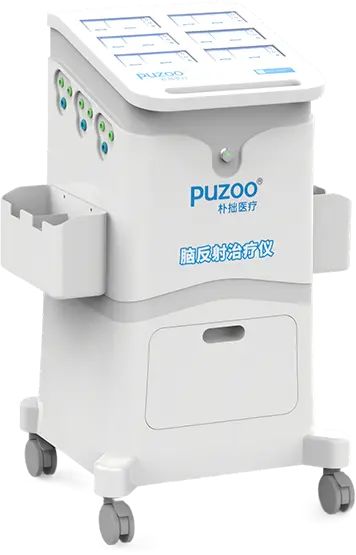
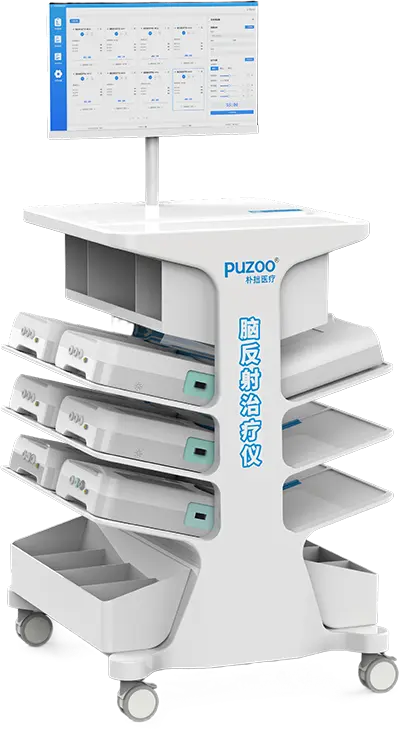
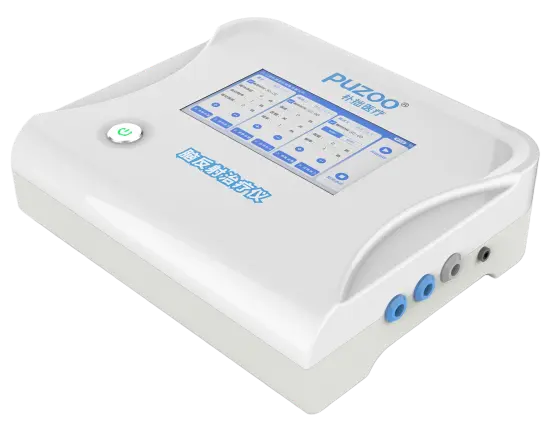
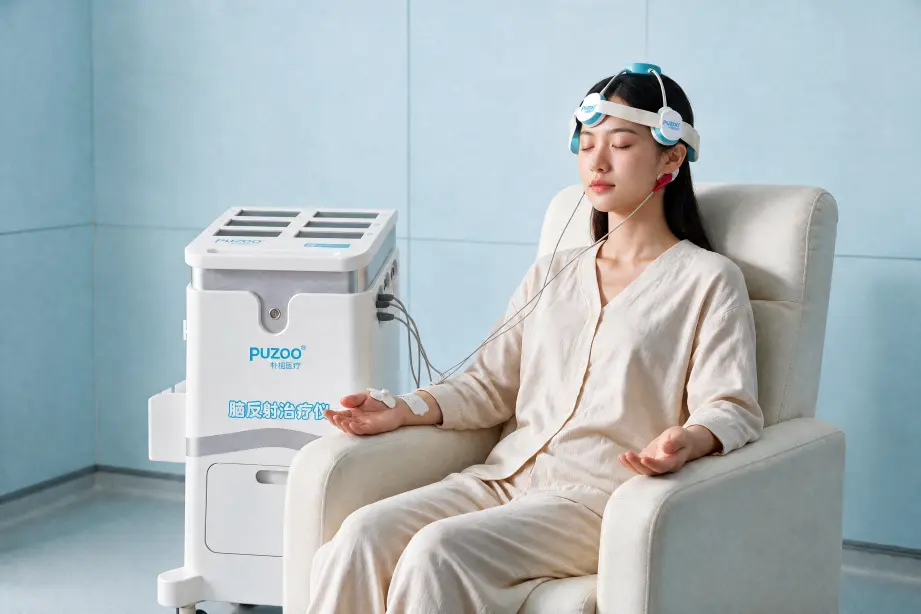
The PZ-TBE series brain reflex therapy device is a magnetic and electrical combined brain reflex therapy equipment independently developed by Puzhuo Medical. The device stimulates the brain reflex circuit, regulates the magnetic and electrical states of the brain, improves local cerebral blood flow, and promotes neurological rehabilitation through physical factors such as transcranial magnetic stimulation (alternating electromagnetic field stimulation), brain reflex (cerebellar parietal nuclear stimulation), and limb electrical stimulation. The three treatment modes of transcranial magnetism, cerebral reflex, and electrical stimulation can be used simultaneously or separately; The dual channel model can treat two patients simultaneously without interfering with each other; And integrate evaluation and training software to form a closed-loop treatment plan of "stimulation evaluation training". The products cover a variety of models including L series pushcart and HP portable, meeting the multi scenario needs of clinical departments and primary healthcare.
videoProduct Advantages
Magneto electric combination the third mock examination integration
The three treatment modes of transcranial magnetic, cerebral reflex, and electrical stimulation can be combined individually or in any way, meeting the needs of improving cerebral circulation and limb movement rehabilitation with one machine

Regulation of brain reflex circuits
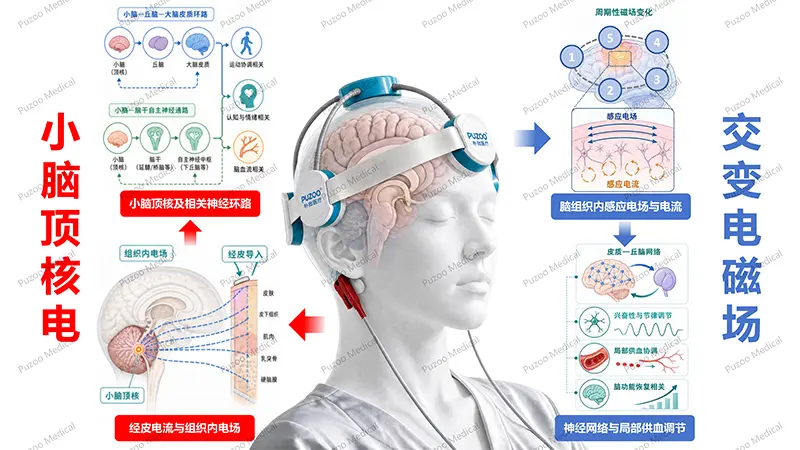
Electrical stimulation behind the ear acts on the cerebellar fastigial nucleus, dilating cerebral blood vessels and improving cerebral microcirculation. Magnetic therapy promotes metabolism and repair of damaged brain cells
Dual channel independent treatment
The dual channel model can treat two patients simultaneously without interfering with each other, significantly improving departmental efficiency

Evaluate the training loop
Built in multidimensional scales and professional cognitive training tasks, forming a closed-loop treatment plan of "stimulation evaluation training"
What is brain reflex therapy?
The brain reflex therapy device is a neural regulation device that uses magnetic, electrical, and acoustic stimulation techniques to act on the brain reflex circuit. It consists of two parts: magnetic therapy and electrical therapy. The magnetic therapy part outputs a specific regular alternating electromagnetic field in the form of transcranial magnetism, which acts on brain cells and blood vessels, changes the metabolic environment of the lesion area, increases the activity of enzymes involved in metabolism, and promotes the repair of damaged brain cells; The electrotherapy part expands cerebral blood vessels, improves cerebral microcirculation, and protects conditioned central nervous system neurons by electrically stimulating the cerebellar fastigial nucleus. At the same time, it simulates active movement by electrically stimulating the muscular nervous system of the affected limb, promoting the recovery of atrophied muscles and the nervous system.
Experimental and clinical evidence has shown that the brain reflex therapy device can significantly improve local cerebral blood flow, alleviate inflammatory reactions, improve limb motor dysfunction, and reduce neuronal electrical excitability. This product is used as an adjuvant therapy for ischemic cerebrovascular disease, neurasthenia, insomnia, brain fatigue symptoms, brain injury related diseases, limb motor dysfunction, and migraine caused by neurological, psychiatric, and rehabilitation diseases; Magnetic stimulation and electrical stimulation can be used simultaneously or separately; The product contains assessment training software for the adjuvant treatment of mild cognitive impairment.
Magnetoelectric combination and three mode treatment
Transcranial Magnetic (Alternating Electromagnetic Field) Mode: 6 magnetic therapy heads output alternating electromagnetic fields. Two magnetic‑induction intensity levels (low / high) are optional. Vibration intensity (4 levels) and vibration frequency (5 levels) are adjustable, which modifies the metabolic environment of lesion areas and promotes neurological‑function rehabilitation.
Electrical Stimulation (Cerebellar Fastigial Nucleus) Mode: Limb electrodes simulate active movement. Intensity (1‑60 levels) and frequency (1‑8 levels) are adjustable, improving nerve conduction function and facilitating rehabilitation of atrophic muscles.
Brain Reflex Mode: Retro‑auricular electrodes stimulate the cerebellar fastigial nucleus. Intensity (1‑60 levels) and frequency (1‑9 levels) are adjustable, dilating cerebral blood vessels, improving cerebral microcirculation and protecting central neurons.
The three treatment modes can be used either simultaneously or independently. Magnetic stimulation and electrical stimulation can be combined arbitrarily to meet individualized treatment requirements.
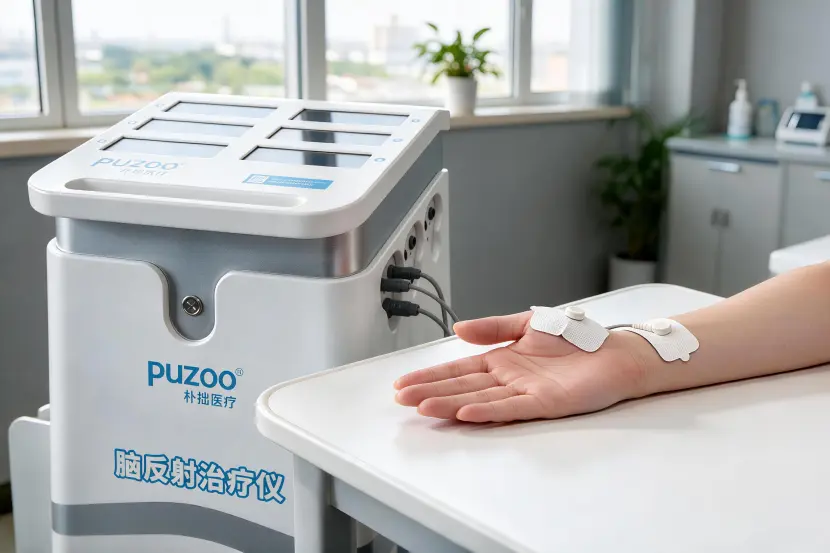
High performance host with multiple models to choose from
·Dual channel/single channel flexible configuration, dual channel model can treat two patients simultaneously without interfering with each other
·Continuous working time of more than 4 hours, adjustable timing from 1 to 99 minutes, suitable for the batch treatment rhythm of the department
·L series trolley style: The relative position of the magnetic therapy head can be adjusted, covering multiple functional configurations such as transcranial magnetic, brain reflex, and electrical stimulation
·HP Portable: The whole machine weighs as light as 2kg, measures 30 × 25 × 9cm, comes with a touch screen, does not require an external computer, Class II BF application part, IP21 protection level
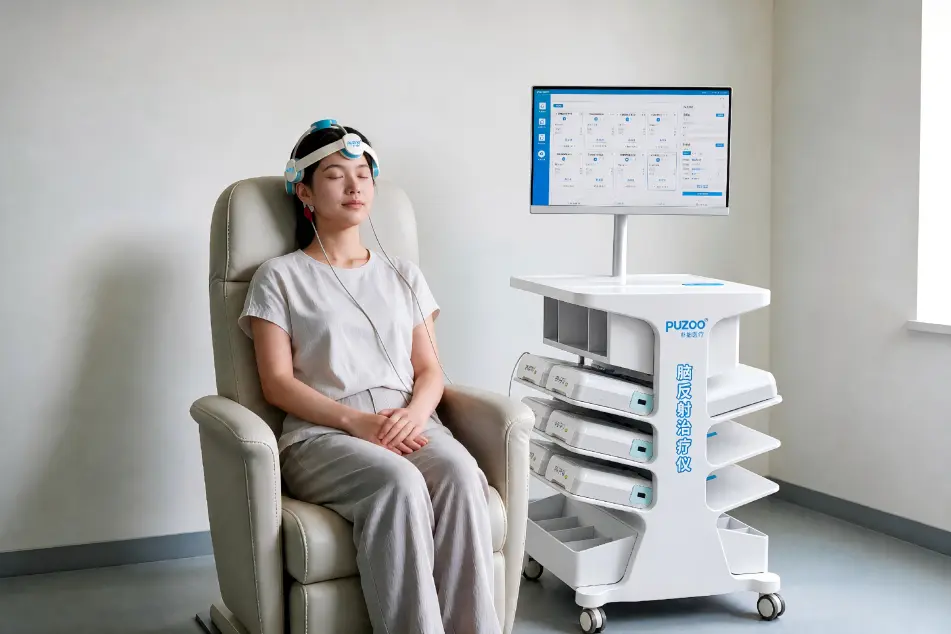
Intelligent management software
Case Management: Unified management for patient information registration, query, treatment records and assessment records.
Clinical Treatment: Built‑in electronic prescriptions and custom‑defined prescriptions are supported. Full‑process control for start / pause / stop operations, and one‑click printing of treatment records.
Report Printing: Treatment records and assessment reports can be automatically generated into Word documents, facilitating therapeutic‑effect tracking and scientific‑research statistics.
System Settings: Flexible configuration for institution name, attending physicians, data backup, audio settings and other items.

Evaluate the training system
·Built in multiple scales, covering multidimensional assessments such as psychological synthesis, personality traits and personality, and elderly assessment
·Built in professional cognitive training tasks, which can be synchronized with cognitive training during physical therapy, achieving both treatment and training simultaneously
·Forming a closed-loop treatment plan of "stimulation evaluation training": objective evaluation of therapeutic effect through scale assessment, continuous reinforcement of cognitive training treatment effect