Brain Potentials Therapeutic Instrument
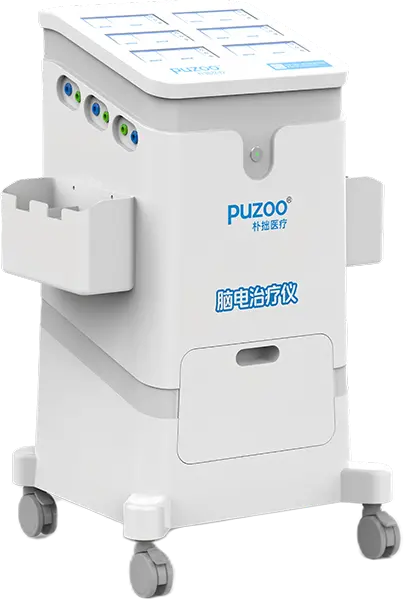
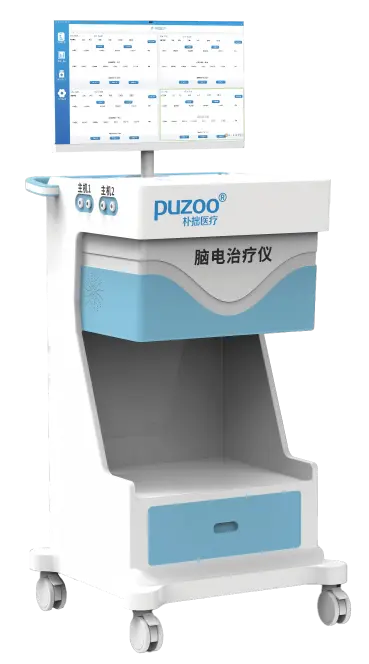
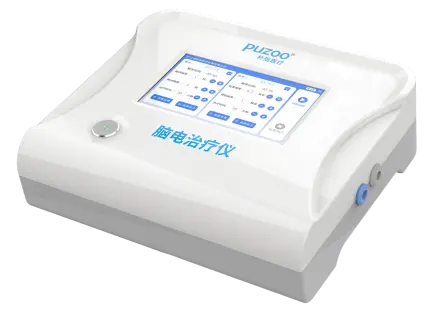
The PZ-A620 series EEG therapy device is a magnetic and electrical combined EEG therapy equipment independently developed by Puzhuo Medical. The device uses one or a combination of transcranial magnetic field (alternating electromagnetic field) and cerebellar parietal nuclear stimulation to stimulate brain nerve cells, improve brain blood circulation, increase brain tissue blood supply, improve brain electrical activity, and restore normal activity rhythm and amplitude of abnormal EEG. The two treatment modes of alternating electromagnetic field and cerebellar fastigial nucleus can be used simultaneously or separately; The product offers multiple configurations including single channel, dual channel, and four channel. The four channel model can treat up to four patients simultaneously without interfering with each other; And integrate the evaluation and training module to form a closed-loop treatment plan of "treatment evaluation training". The products cover various models of H1 desktop hosts and pushcart models, meeting the multi scenario needs of clinical departments and primary healthcare.
videoProduct Advantages
Magnetic electric dual-mode synergistic therapy
The two treatment modes of alternating electromagnetic field and cerebellar fastigial nuclear stimulation can be used separately or in any combination, one machine can meet the needs of improving brain circulation and neurological rehabilitation

Dual effect regulation and regression of EEG rhythm
Magnetic therapy improves the metabolic environment of the lesion area, electrical stimulation dilates cerebral blood vessels, improves cerebral microcirculation, and jointly promotes the return of abnormal EEG to normal activity rhythm and amplitude

Multi channel efficient treatment
Provide single channel, dual channel, four channel, and six channel configurations. The six channel model can treat up to six patients simultaneously without interfering with each other, significantly improving departmental efficiency

Evaluate the training loop
Built in multidimensional scales and professional cognitive training tasks, forming a "treatment evaluation training" closed-loop treatment plan
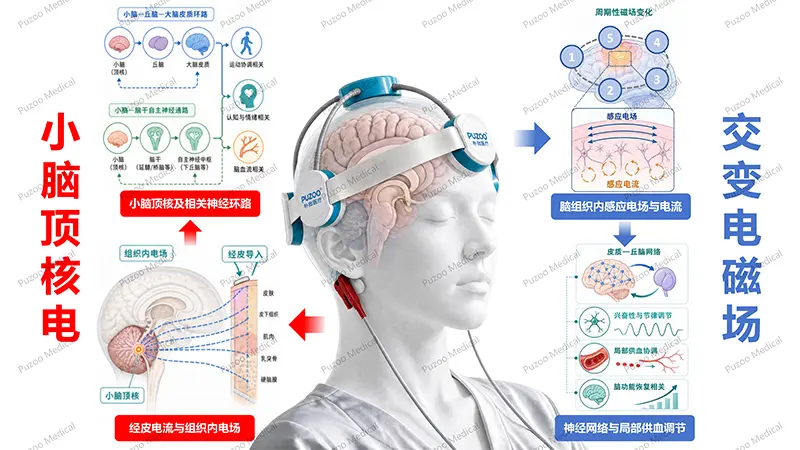
What is EEG therapy?
Electroencephalography, also known as brainwave therapy, is a method of stimulating brain nerve cells through one or two methods of transcranial magnetic and cerebellar nuclear stimulation, thereby improving blood circulation in the brain, increasing blood supply to brain tissue, improving brain electrical activity, and returning abnormal brainwaves to normal activity rhythm and amplitude, achieving the goal of treating diseases. The EEG therapy device is divided into two treatment modes: transcranial magnetic stimulation and cerebellar parietal nuclear stimulation.
Experimental and clinical evidence shows that EEG therapy devices can dilate cerebral blood vessels and promote blood circulation and establish collateral circulation; It can promote metabolism and enhance the repair ability of damaged brain cells; Interference and inhibition of the occurrence and propagation of abnormal electroencephalography and magnetoencephalography. This product is used as an adjuvant therapy for ischemic cerebrovascular disease, neurasthenia, insomnia, brain fatigue symptoms, brain injury related diseases, limb motor dysfunction, and migraine caused by neurological, psychiatric, and rehabilitation diseases; The magnetic therapy part and the electrical therapy part can be used simultaneously or separately. The product contains assessment training software for the adjuvant treatment of mild cognitive impairment.

Magnetic electric dual-mode synergistic therapy
Transcranial magnetic (alternating electromagnetic field) mode:Six magnetic therapy heads output a specific pattern of alternating electromagnetic field, with two selectable levels of magnetic induction intensity: weak level 3mT~10mT and strong level 10mT~30mT. The magnetic field frequency is 50Hz ± 1Hz, and the vibration intensity is adjustable in 4 levels and vibration frequency is adjustable in 5 levels to change the metabolic environment of the lesion area and promote neurological rehabilitation
Electrical stimulation (cerebellar fastigial nucleus) mode:The posterior ear electrode stimulates the cerebellar fastigial nucleus, with a maximum output current amplitude peak to peak value of 0-30mA (p-p) adjustable in 30 levels, modulation frequency of 0-160Hz, on-off ratio of 1:1-1:9, and adjustable waveform rise and fall of 0-20s. It dilates cerebral blood vessels, improves cerebral microcirculation, and protects central neurons
Dual‑mode Flexible Combination: The two treatment modes can be used either simultaneously or independently. Magnetic therapy and electrical therapy can be combined arbitrarily to meet individualized treatment requirements.
Stable and Reliable Output: This product produces no DC‑component output for voltage or current. Load impedance (magnetic therapy: 500 Ω; electrical therapy: 1000 Ω) has no impact on output parameters.
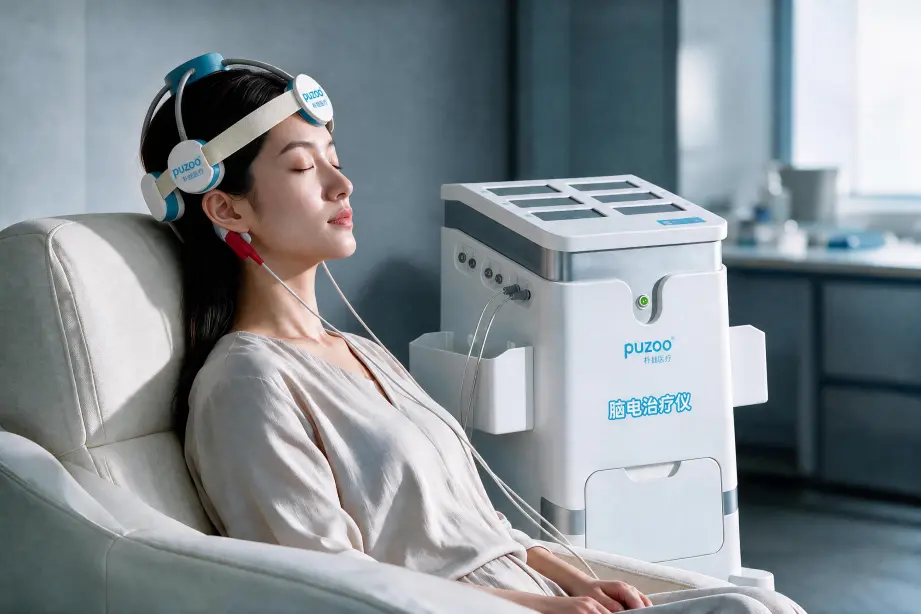
Accurate positioning and standardized treatment
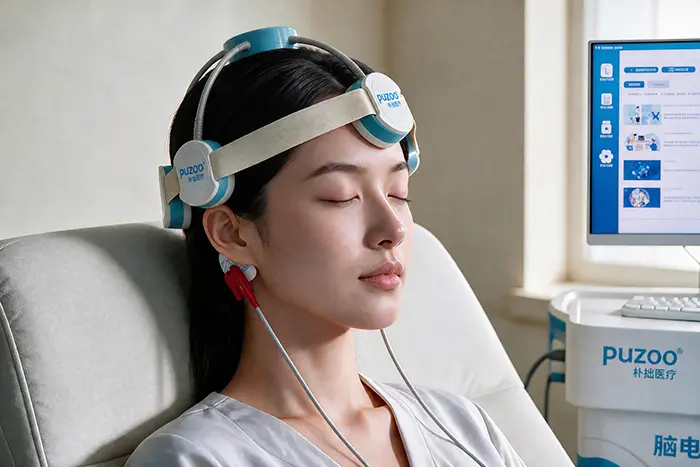
Six‑point Wearing for Therapeutic Cap: Align the two side treatment units with the upper‑anterior area of both ears (bilateral temples). Position the front treatment unit slightly above the glabella (mid‑forehead). Place the two rear treatment units slightly below the posterior region of both ears (bilateral Fengchi acupoints). The relative positions of the magnetic therapy heads are adjustable, and adjustment buckles on the fixing straps accommodate different head circumferences.
Precise Application of Retro‑Auricular Electrode: Attach the crescent‑shaped electrode pad (25×42 mm) to the retro‑auricular mastoid region with its inner arc facing the ear. The retro‑auricular electrode targets the cerebellar fastigial nucleus area to ensure accurate stimulation of the target site.
Flexible Setting of Treatment Time: The treatment time is adjustable from 1 to 99 minutes. It can operate continuously for more than 4 hours, adapting to the batch‑treatment workflow in clinical departments.
Full‑process Controllable Treatment: Parameter intensity can be adjusted at any time during treatment. It supports full‑process control including start, pause and stop, and displays the remaining treatment time in real time.
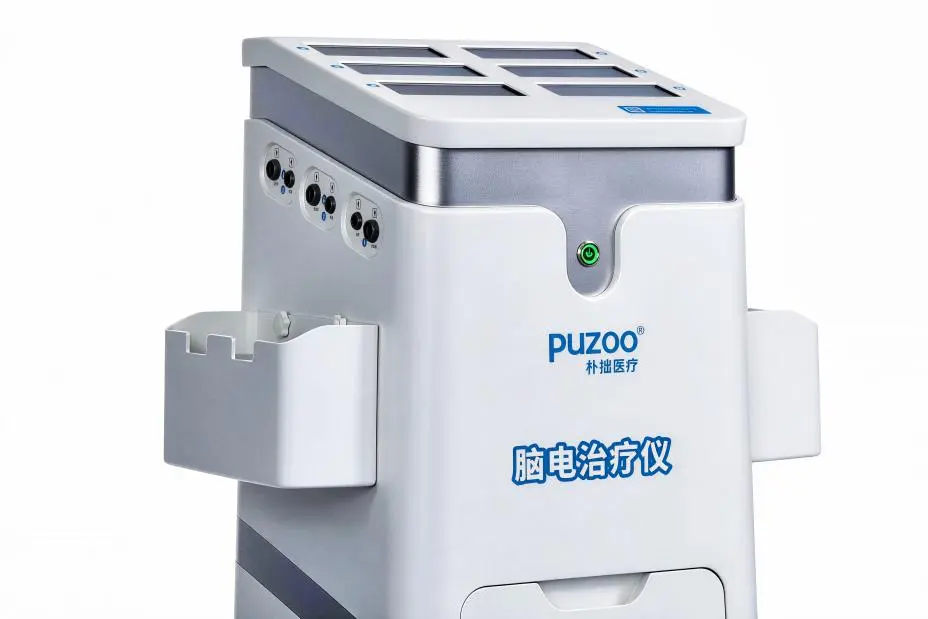
High performance host with multiple models to choose from
Flexible Configuration of Single‑ / Dual‑ / Four‑ / Six‑Channel: Multiple configurations including single‑channel, dual‑channel, four‑channel and six‑channel are available. The six‑channel model can treat up to six patients simultaneously, improving efficiency without mutual interference.
Model H1 Desktop Main Unit: The whole unit weighs as light as 1.35 kg with dimensions of 30×25×8.5 cm. Equipped with a built‑in touch screen and no external computer required. It features Class II BF applied parts and is ready‑to‑use upon power‑on.
Multiple Trolley‑Mounted Models for Option: Covering four functional configurations (X, E, M, D) and four channel counts (1 / 2 / 4 / 6). Model X integrates both magnetic and electrical therapy functions; Model E focuses on cerebellar fastigial‑nucleus electrical stimulation; Model M focuses on transcranial magnetic stimulation. Configure and select models flexibly according to actual demands.
Stable and Reliable Continuous Operation: Capable of continuous operation for more than 4 hours, with adjustable timer ranging from 1 to 99 minutes. It adopts continuous‑operation mode to meet high‑intensity usage requirements in clinical departments.
Intelligent management software
Case Management: Unified management for adding, querying, editing, deleting and batch‑deleting patient information. It supports configuration of basic data such as department, disease, symptoms, attending physician and prescriptions.
Clinical Treatment: Four major treatment areas correspond to each main unit. Connection status, patient information and treatment parameters are displayed in real‑time. Built‑in electronic prescriptions are available and custom prescriptions are supported. Full‑process control for start / pause / stop operations.
Report Printing: Treatment records and assessment‑training records can be automatically generated into Word documents with one‑click operation, facilitating therapeutic‑effect tracking and scientific‑research statistics.
System Settings: Flexible configuration for device information, permission settings, institution name, data backup, import and export, and other items.

Evaluate the training system
Multi‑dimensional Scale Assessment: Multiple built‑in scales cover multi‑dimensional evaluations including comprehensive psychology, elderly assessment, child and adolescent assessment, sleep and more, to objectively assist in judging disease conditions and therapeutic effects.
Professional Cognitive Training Tasks: Built‑in professional cognitive training tasks support practice tests and formal tests. Cognitive training can be performed synchronously during physical therapy to achieve both treatment and training.
Instant Feedback of Training Results: Automatically jump to the result interface upon test completion and display test result information, facilitating curative‑effect comparison and protocol adjustment.
Form a "Treatment‑Assessment‑Training" Closed‑loop: Scale assessment objectively evaluates therapeutic outcomes, and cognitive training continuously strengthens treatment effects.